Teaching Your Own Children
Resources
Homeschooling as a Mother's Right
Margaret is a homeschool veteran who explains why traditional schooling was never an option for her children. Margaret’s narrative documents the complexity of being a single Black mother and choosing to live in a low-income housing community, and not working full-time in order to fulfill her rights as a mother to do what she determined would be best for her children. Her account also demonstrates the role of faith, spirituality, and the complexity of building a curriculum to meet her children’s needs.

They're Your Kids: An Inspirational Journey from Self-Doubter to Home School Advocate
For many people, their schooling was uncomfortable, tedious, and sometimes a waste of time and energy. This book offers the idea that the public school system is tragically flawed and that we are able to do better for our own children. Sam Sorbo, mom of three and wife of actor Kevin Sorbo, took the leap into homeschooling and found the joy and success she was seeking. Included are strategies for working parents, those who are scared to take the leap, and anyone who wants the best for their children.
Am I Qualified to Homeschool My Child?
Some parents are unsure whether they are qualified to teach their children at home. Don't get caught up in the idea that you have to know everything first. With homeschooling, you can learn right alongside your children.
How Do I know If I'm Qualified to Homeschool?
Parents considering homeschooling are understandably concerned about whether they are qualified enough. Do parents need to be trained and certified like public school teachers? How in the world can you be qualified to teach them? The most important thing to realize is that as a homeschooling parent, you're job is not necessarily to teach your children. Instead, you are there to help them learn.
Do I Need a Degree to Homeschool?
You should remember that you are the best person to give your child what he or she needs. Yes, you can homeschool, and yes, you are qualified. You are the best teacher for the job. You know your children better than anyone, love them more than anyone, and will do whatever it takes to help them thrive.

Homeschool Bravely: How to Squash Doubt, Trust God, and Teach Your Child with Confidence
It's time to change your perspective to transform the way you plan, teach, and homeschool. This book helps you to see homeschooling as a calling. With this mindset, you'll be able to dismiss the stress of impossible expectations. Find strategies to help you juggle the logistics of homeschooling with different ages, be a good support for a struggling learner, set realistic goals, dismiss the guilt, and weather any criticism. You can be a hopeful homeschooler! God uses all for good and can transform all of your stress, fears, shortcomings, and successes to create the best plans for your family.
Exploring Single Black Mothers' Resistance Through Homeschooling
This work looks at contemporary Black homeschooling as a form of resistance among single Black mothers, exploring each mother's experience and perspective in deciding to homeschool and developing their practice. It faces the many issues that plague the education of Black children in America, including discipline disproportionality, frequent special education referrals, low expectations in the classroom, and the marginalization of Black parents. Most importantly, this work challenges stereotypical characterizations of who homeschools and why.

Better Late Than Early: A New Approach to Your Child's Education

Taking Charge of Your Child's Education: A Guide to Becoming the Primary Influence in Your Child's Life
Every parent wants to give their child the best start in life. The best way to do that is to get fully involved in their educational process as their primary influence. This book is full of helpful information, resources, and tools that will lead you to home education success. Erica Arndt recognizes that the most important factor is the family unit relationships. This book will help you as you make your decision to homeschool.
Teaching Your Own Children: Are You Qualified?
Taking Charge of Your Child's Education: A Guide to Becoming the Primary Influence in Your Child's Life
Every parent wants to give their child the best start in life. The best way to do that is to get fully involved in their educational process as their primary influence. This book is full of helpful information, resources, and tools that will lead you to home education success. Erica Arndt recognizes that the most important factor is the family unit relationships. This book will help you as you make your decision to homeschool.

Homeschooling For Dummies
This comprehensive guide gets you off to a great start. From helpful advice on how to decide if homeschooling is right for you, to how to get started, to complying with all legal requirements, you'll find what you need at the beginning of your homeschooling. Also included are teaching tips, advice on networking, testing, curriculum, and more.

The First Year of Homeschooling Your Child: Your Complete Guide to Getting Off to the Right Start
An increasing number of parents are turning to homeschooling. This guide helps those parents to determine what are the best first steps to take, how to define your educational philosophy, and the best approach for your children. Included is a discussion of how to choose curriculum, assess progress, and stay within the legalities of your state.
Home-school moms take on challenges of teaching
The Lost Tools of Learning
You Are Qualified to Teach Your Children
So You Think You're Not Smart Enough to Homeschool?
Home Schooling Mom as Teacher
Are You Qualified to Teach Your Own Child?
Making the Transition from Parent to Homeschool Teacher
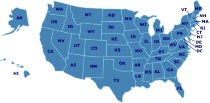
Looking for Another State?
Featured Resources
As an Amazon Associate, we earn from qualifying purchases. We get commissions for purchases made through links on this site.

The Ultimate Book of Homeschooling Ideas: 500+ Fun and Creative Learning Activities for Kids Ages 3-12

Help for the Harried Homeschooler : A Practical Guide to Balancing Your Child's Education with the Rest of Your Life
