Methods
Homeschoolers cover an entire spectrum of different educational methods. On the one end, you have unschoolers, families that believe in self- or child-led learning. Relying on real world experiences, they learn by living. On the other end of the spectrum, you find parents who have "school at home." They may set up a classroom environment, use structured curriculums, and rely on schedules to keep things moving smoothly. And of course, there is everything in between. There are as many different ways to homeschool as there are homeschoolers. Explore the different methods, ideas, and approaches that make the homeschooling experience so rich.
Learning Styles
Knowing your child's learning style can help you teach him or her in the best way possible. Explore these diverse ways of learning and get tips on the best way to help your child grasp and learn new material.
Charlotte Mason
Charlotte Mason's philosophy and model of teaching can be used with great success in the home. Explore this method and find ways to incorporate this teaching and learning style into your homeschool.
Montessori
The Montessori approach to education can work very well in the home environment. Learn about incorporating Montessori techniques at home, national support organizations, and how to find resources and materials.
Classical Homeschooling
The classical method of education is based on the Trivium of the three stages of learning: the Grammar stage, the Logic stage, and the Rhetoric stage. It is a traditional model of learning and teaching. Read more about this method and find out how homeschoolers are using it to teach their children at home.
Unschooling
Unschooling is more than just not going to school. It is following your child's interests to get the most out of learning through living.
Waldorf
Explore the Waldorf philosophy of education and see how it can be integrated into learning in the home.
Unit Studies
Unit studies are a creative and dynamic way to integrate core subjects into topical learning. They can excite interest in your child and can help you cover a number of subjects in a shorter amount of time. Learn more about unit studies and how to incorporate them into your own homeschooling methods.
Eclectic Homeschooling
What do you call the homeschooler who doesn't necessarily subscribe to a certain homeschooling method? Well, the term eclectic fits just perfectly. Eclectic homeschooling involves a diverse and unique approach to learning at home.
Vocational Training
Vocational training offers teenagers and yound adults the opportunity to learn a trade, often with on-the-job training.
Co-Ops
What do you do when you are overwhelmed and feel like you can't do everything all by yourself? Join a co-op! Co-ops pull together the resources, strengths, and gifts of several people to help provide a more diverse, complete, and rewarding educational experience for your children.
Online Programs
A virtual school in general refers to a program in which your child is at home, but takes courses over the Internet. These virtual schools offer online programs and often full curricula. They are usually administered by a public or private school. Thus, children enrolled in these programs are effectively enrolled in a school and skirt the definition of a homeschooled student. There are some controversies regarding these programs, but they do provide an alternative that is appropriate for some families. Learn more about how these programs work, what to expect, and how to get the most out of them.
Community Colleges
Many community colleges around the country have opened their doors to homeschooled teenagers, giving them an opportunity to start their college careers early, to gain classroom experience and college credit, to challenge them with more difficult materials, and to expand their horizons. Many parents look to community colleges to provide instruction in materials that they are not well suited to teach themselves.
What's Popular
Avoiding Fiction
Many parents have objections to using fiction in their homeschooling: it isn't a good use of time, it offers opposing worldviews, it isn't useful. But it can stimulate the imagination and allows a child to put himself in another's place. Douglas Jones discusses why fiction is good for children.
Veritas Press
In everything Veritas does, they believe in challenging the status quo by creating best-in-class curricula for Christian schools and homeschools—curricula that teach children according to how they naturally develop, in line with God’s design, with methods that captivate their minds and hearts, all in a way that is easy for parents and teachers to use. By combining innovative new technology with a classical education, all from a Christian worldview that harnesses the power of the Trivium, they’r...
Real Learning: Education in the Heart of the Home
This book is not about "school at home"--it is about something better. It is about Real Learning. Homeschooling pioneer Charlotte Mason wrote with great wisdom about providing young minds with a living books education. She urged teachers to present great ideas and stand back, allowing students to form relationships with the ideas. Elizabeth Foss carries Miss Mason's philosophy from the idealto the real. How does the busy home-educating mom balance the various needs of a houseful of children? How...
The Best of All Worlds: Eclectic Homeschooling
When you choose something, do you like to have a wide variety to choose from, whether it is for your furniture, food, music, etc.? If so, then you could easily instill these same preferences and choices into your homeschooling style. Offer your child the best of all the worlds – eclectic homeschooling.
WV Unschooling Family Connection
This is a support group for unschoolers for the Eastern Panhandle Area.
Designing Your Own Classical Curriculum Families
This list is for families using the classical approach to education as outlined in Laura Berquist's book Designing Your Own Classical Curriculum (DYOCC).
Why Unschool?
The choice to unschool can sometimes be hard for parents to explain to others. This is because it seems so natural, that simple explanations don't always cut it. The basis of this choice is freedom -- freedom to play, take risks, explore interest, and learn on their own terms. Because unschooling most often influences the entire family's lifestyle, it is not a simple explanation of how education works. It is more of a way of life. 
Unchores
A look at an unschooling family's approach to managing chores around the house. Although this approach may not work for everyone, the emphasis on flexibility and respect for each others needs and inclinations is enlightening.
CM Families of the South
The purpose of this loop is to encourage homeschooling families living in the Southern states who are trying to incorporate the philosophy of Charlotte Mason in their homes in their efforts to raise their children with an enthusiasm for learning.
Catholic Virtual
A program of Virtual Schools of Excellence, Catholic Virtual is an accredited, online program. They are committed to offering a comprehensive approach to e-learning in a faith-filled environment. The K-12 Program provides college preparatory and career readiness curriculum for all students. The Catholic Religious Education classes follow the standards and guidelines set by the United States Bishops.
Real Lives: Eleven Teenagers Who Don't Go to School
Grace Llewellyn, author of the The Teenage Liberation Handbook, offers the stories of 11 teens who made the decision to reject traditional schooling methodologies and take their education into their own hands. The essays highlight offer a day-in-the-life look at teen homeschooling and unschooling, as the teens embraced self-education and increased in their self-confidence and motivation. 
Crunchy Unschoolers
A list for unschoolers who are interested in moving towards a sustainable lifestyle. Topics for discussion may include how sustainability and unschooling complement each other, and how we resolve conflicting values.
Determining Your Child's Learning Style
Most students use a combination of learning styles, drawing from the four main types: visual, auditory, reading/writing, and kinesthetic. Responding with the right approach to your child's learning style can make all the difference when it comes to your child learning, understanding, and remembering educational material. With understanding of your child's learning style, you can more effectively choose materials and methods to emphasize his or her strengths rather than work against them. 
Appalachian Regional Cooperative
Appalachian Regional Cooperative is an inclusive group of homeschoolers in Maryland, Virginia, Pennsylvania and West Virginia.
Unschoolers' Circle
The Unschoolers' Circle is an inclusive list for anyone interested in home education with unschooling leanings.
Resources
The Absorbent Mind
In response to the crisis in American education, more than five thousand public and private schools across the nation have adopted the timeless Montessori Method of teaching, of which this book is the cornerstone. Written by the women whose name is synonymous worldwide with child development theory, The Absorbent Mind takes its title from the phrase that the inspired Italian doctor coined to characterize the child's most crucial developmental stage: the first six years.

A new foreword by John Chattin-McNichols, Ph.D., President of the American Montessori Society, places this classic book in a contemporary context, offering an intelligent discussion of current thinking in child education.
Real Lives: Eleven Teenagers Who Don't Go to School
Grace Llewellyn, author of the The Teenage Liberation Handbook, offers the stories of 11 teens who made the decision to reject traditional schooling methodologies and take their education into their own hands. The essays highlight offer a day-in-the-life look at teen homeschooling and unschooling, as the teens embraced self-education and increased in their self-confidence and motivation. 
Understanding Waldorf Education : Teaching from the Inside Out

Written by a teacher with more than 25 years of experience, this book offers a jargon-free view of Waldorf schools with their philosophy of the importance of a three-dimensional education. Through learning experiences that involve all of the senses, children use a variety of intelligences to develop thought, feeling, and intentional, purposeful activity. Whether you_re a Waldorf parent or teacher, or you just want to learn more about these innovative educational concepts, this book contains important ideas on learning that you can apply today.

Teach Your Own: The John Holt Book Of Homeschooling
The classic work on teaching children at home, updated for today's new laws, new lifestyles, and a new generation of homeschooling parents. Today more than one and a half million children are being taught at home by their own parents. In this expanded edition of the book that helped launch the whole movement, Pat Farenga has distilled John Holt's timeless understanding of the ways children come to understand the world and added up-to-the-moment practical advice. Rather than proposing that parents turn their homes into miniature schools, Holt and Farenga demonstrate how ordinary parents can help children grow as social, active learners. Chapters on living with children, "serious play," children and work, and learning difficulties will be of interest to all parents, whether homeschooling or not, as well as to teachers. This new edition is supplemented with legal advice as well as a guide to cooperating with schools and facing the common objections to homeschooling. Teach Your Own not only has all the vital information necessary to be the definitive reference for parents teaching their own children, it also conveys John Holt's wise and passionate belief in every child's ability to learn from the world that has made his wonderful books into enduring classics.
Homeschooling Essentials: A Practical Guide to Getting Started

If you're ready to begin homeschooling, then the experiences of others can offer valuable help and encouragement as you jump into this new adventure. This practical guide answers common questions, helps you navigate the legalities of homeschooling, talks about the practical side of homeschooling and different methods, offers resources and gives advice about high school. 

Montessori International
Montessori International is the magazine for all parents and teachers. Montessori International magazine is a high quality colour education magazine with a Montessori focus and a truly child-centred approach. The magazine is for Montessori parents, nursery owners, teachers, and students with an interest in Montessori education.
The Ultimate Book of Homeschooling Ideas: 500+ Fun and Creative Learning Activities for Kids Ages 3-12
Fun and Effective Home Learning Activities for Every Subject
As a homeschooling parent, you're always looking for new and creative ways to teach your child the basics. Look no longer! Inside this innovative helper, you'll find kid-tested and parent-approved techniques for learning math, science, writing, history, manners, and more that you can easily adapt to your family's homeschooling needs. And even if you don't homeschool, you'll find this book a great teaching tool outside the classroom. You'll discover fun and educational activities for kids ages 3 to 12, including how to:
·Create maps based on favorite stories, such as Treasure Island or The Wizard of Oz
·Make letters out of French fries as an alphabet learning aid
·Explore architecture by building igloos, castles, and bridges with sugar cubes and icing
·Review spelling words by writing them on the sidewalk with chalk
·And many more!
This comprehensive collection of tried-and-true—and generally inexpensive—ideas provides the best-of-the-best homeschooling activities that can be done anywhere, anytime, and by anyone.
Dumbing Us Down: The Hidden Curriculum of Compulsory Schooling
This radical treatise on public education has been a New Society Publishers' bestseller for 10 years! Thirty years of award-winning teaching in New York City's public schools led John Gatto to the sad conclusion that compulsory governmental schooling does little but teach young people to follow orders as cogs in the industrial machine. In celebration of the ten-year anniversary of Dumbing Us Down and to keep this classic current, we are renewing the cover art, adding new material about John and the impact of the book, and a new Foreword.
Tomorrows Child
Tomorrow's Child magazine offers insights and information that helps parents to feel confident that Montessori will prepare their children for the real world. It will help you understand and appreciate Montessori and apply it in your home.
Children at Play : Using Waldorf Principles to Foster Childhood Development
Children at Play is an insightful exploration into the world of children's play and its tremendous significance in the shaping of each child's humanity. A mother and proponent of Rudolf Steiner's Waldorf system of education, author Heidi Britz-Crecelius offers practical suggestions and an up-to-date list of resources for today's families.
Discovery of the Child
Maria Montessori went beyond the conventions of the day to seek a new way of knowing and loving a child. In THE DISCOVERY OF THE CHILD, she describes the nature of the child and her method of working more fully with the child's urge to learn. With 16 pages of photographs.
Montessori Play And Learn : A Parent's Guide to Purposeful Play from Two to Six
We all want the best possible starts in life for our children, and one of the best possible starts in life, educationally, is the "method" pioneered by Maria Montessori and taught successfully today throughout the world.

Now, Lesley Britton, the leading Montessori practitioner in England for more than twenty years, will show parents how to bring Montessori home. If you would like to facilitate the development of your child's unique personality, make it possible for him to develop to his full intellectual capacity, and help him become socially and emotionally well adjusted, then this is the book for you.

Montessori Play and Learn is packed with ideas, activities, and games that can fit into your normal routine and help supplement preschool learning for your child. For planning your home, introducing your child to the supermarket or the neighborhood, and helping him discover other people and cultures, this book provides valuable tips and insights that help parents and children grow and learn together.
-- Create hundreds of learning opportunities from everyday life
-- Learn dozens of games and activities to help prepare children for mathematics, reading, science, and writing
-- Make your home environment as stimulating for your child as the best Montessori preschool.
Kinder Dolls: A Waldorf Doll-Making Handbook
This comprehensive guide for beginners and experienced doll makers shows how to create many different kinds of handcrafted dolls from natural materials. Handmade dolls with their simplicity of expression and design leave children’s imaginations free, rather than being confined by perfectly finished dolls made of artificial materials. Instead, these dolls encourage the magic of creative play and bring children the gift of imagination in which they see themselves as “makers.”

Included are:
· Ten designs, including soft, baggy, angel, pouch, sack, and limbed dolls
· Twelve basic clothes patterns and ethnic variations
· Tools, techniques, and materials
· Safety guidelines and sewing methods
· Recycling tips and where to get materials

Dr. Montessori's Own Handbook
A short, illustrated guide to the use of Montessori classroom materials. Describes how to set up a "children's house" - an environment for learning where children can be their own masters.
The Teenage Liberation Handbook: How to Quit School and Get a Real Life and Education
This classic homeschool resource is intended for teens who are ready to take charge of their own education. Written by Grace Llewellyn in the '90s, it is still relevant today. Teens will be empowered by claiming their natural ability to teach themselves and to fully personalize their education. Covers the decision to leave school, as well as many of the learning opportunities available to teens. 
Homeschooling: The Early Years: Your Complete Guide to Successfully Homeschooling the 3- to 8- Year-Old Child
Nothing beats seeking the voice of experience if you want to join the estimated 1 to 3 million parents who teach their children at home. Here's a guide that comes direct from the experts: a mother of two homeschooled, now-grown children and 83 homeschooling families she surveyed. Their stories make reading this starter kit on teaching ages 3 to 7 worthwhile. For those ready to take on what author Linda Dobson calls "a natural extension of being a good parent," the manual provides at-a-glance boxes of insightful anecdotes called "How We Did It," as well as lists at the end of each chapter of helpful books, magazines, Web sites, software, and computer message boards that connect homeschooling households. The straightforward writing covers the basics on reading, writing, and math; different teaching approaches; organizing a curriculum; even how to deal with skeptical relatives and spouses. There are no specifics on each states' homeschooling requirements, which vary widely. But as a primer for parents starting out, the book serves as a confidence builder and an inspiring how-to guide. --Jodi Mailander Farrell
Montessori Method
This book is Montessori's own exposition of the theory behind her innovative educational techniques. She shows parents, teachers and administrators how to "free a child to learn through his own efforts".
Waldorf Education: A Family Guide
Waldorf Education finds itself catapulted from its humble beginnings 80 years ago into the midst of the central educational and social issues of this decade.

What draws parents and educators toward Waldorf Education today? "Waldorf Education - A Family Guide" offers a "first look" for parents and educators into the history, philosophy, curriculum, and traditions of this unique education. This comprehensive book is a collection of articles describing the world of Waldorf Education - the fastest growing independent school movement in the world.

Rhythms of Learning : What Waldorf Education Offers Children, Parents & Teachers (Vista Series, V. 4) (Vista Series, V. 4)
In numerous lectures and through teaching teachers for the first Waldorf school, Rudolf Steiner described and suggested methods of education based on the rhythmic unfolding of spirit, soul, and physiology in children as they grow. In each section of "Rhythms of Learning," Waldorf teacher Roberto Trostli introduces the reader to lectures on specific aspects of children's rhythms of development and how Waldorf education responds. We are shown how Waldorf teachers must, through their own inner capacities and awareness, learn to recognize and meet each new stage of development in children as they unfold new capacities on every level of their being.

This collection is the clearest introduction to the ideas of Waldorf education currently available. "Rhythms of Learning" contains Steiner's most important lectures on teaching and child development. It is an excellent resource for everyone interested in taking education successfully into the 21st century.

Free to Learn: Introducing Steiner Waldorf Earkt Childhood Education
Free to Learn is a unique guide to the principles and methods of Steiner Waldorf Early Childhood education. The author draws on kindergarten experience from around the world, with stories, helpful insights, lively observations and pictures. This inspiring book will interest parents, educators, and early years education students. It is up to date, comprehensive, and contains many illustrations, including a 16-page color section. Lynne Oldfield invites you to explore Steiner Waldorf kindergartens. Here, teachers and parents believe that children's early learning is profound, that childhood matters and that the early years should be enjoyed, not rushed through.

Topics include:
· How kindergarten enables healthy child development
· What is movement based learning
· Why creative play is so crucial
· How children learn through imitation and rhythm
· When children are ready for school
· How to get support for parenting and daycare

Free to Learn is a unique guide to the principles and methods of Waldorf early education, drawing on kindergarten experience from around the world, with stories, helpful insights, lively observations, and pictures.

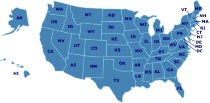
Looking for Another State?
Featured Resources

As an Amazon Associate, we earn from qualifying purchases. We get commissions for purchases made through links on this site.

Help for the Harried Homeschooler : A Practical Guide to Balancing Your Child's Education with the Rest of Your Life
Homeschooling moms and dads can be overwhelmed by the demands on their time. Between their children’s educational needs; their roles as spouse, parent, and more; and their own individual desires and goals, these mothers and fathers struggle to ...
Shurley English
Shurley English maintains that effective instruction in English must be founded upon an understanding of how the parts of speech work together in a sentence. A good grammar foundation gives students the skills to improve writing. Grammar is the struc...
The Ultimate Book of Homeschooling Ideas: 500+ Fun and Creative Learning Activities for Kids Ages 3-12
Fun and Effective Home Learning Activities for Every SubjectAs a homeschooling parent, you're always looking for new and creative ways to teach your child the basics. Look no longer! Inside this innovative helper, you'll find kid-tested and parent-ap...
Perrine's Sound & Sense: An Introduction to Poetry
Perrine's Sound and Sense is a fantastic book for studying poetry with your children. It is a great resource for high school students. It includes clear and thorough explanations of devices, forms, how to analyze poetry, and more, as well as a huge v...
In Their Own Way: Discovering and Encouraging Your Child's Multiple Intelligences
Children learn in differing ways. Thomas Armstrong specializes in helping parents identify the unique areas in each of our children that enhance their special way of learning and expressing creativity. This work on multiple intelligences talks about ...